You can absolutely do Las Vegas without a car, especially if most of your trip lives on the Strip. The moment you add Red Rock, Chinatown, Henderson, or multiple off-Strip dinners, the math changes. This guide keeps the options honest: when walking is fine, when rideshare is worth it, and when renting a car for one day saves both money and patience.
The Short Answer
For a 2-3 day Strip-only trip: no car needed. Rideshare + walking handles everything. For a 4+ day trip with a day trip, Chinatown dinner, or off-Strip museum visit: a rental car for the day you need it is cheaper than multiple rideshares.
Airport to Strip
Harry Reid International (LAS) is 5 miles from the south Strip (Mandalay Bay) and 8 miles from the central Strip (Bellagio). Options:
Walking the Strip
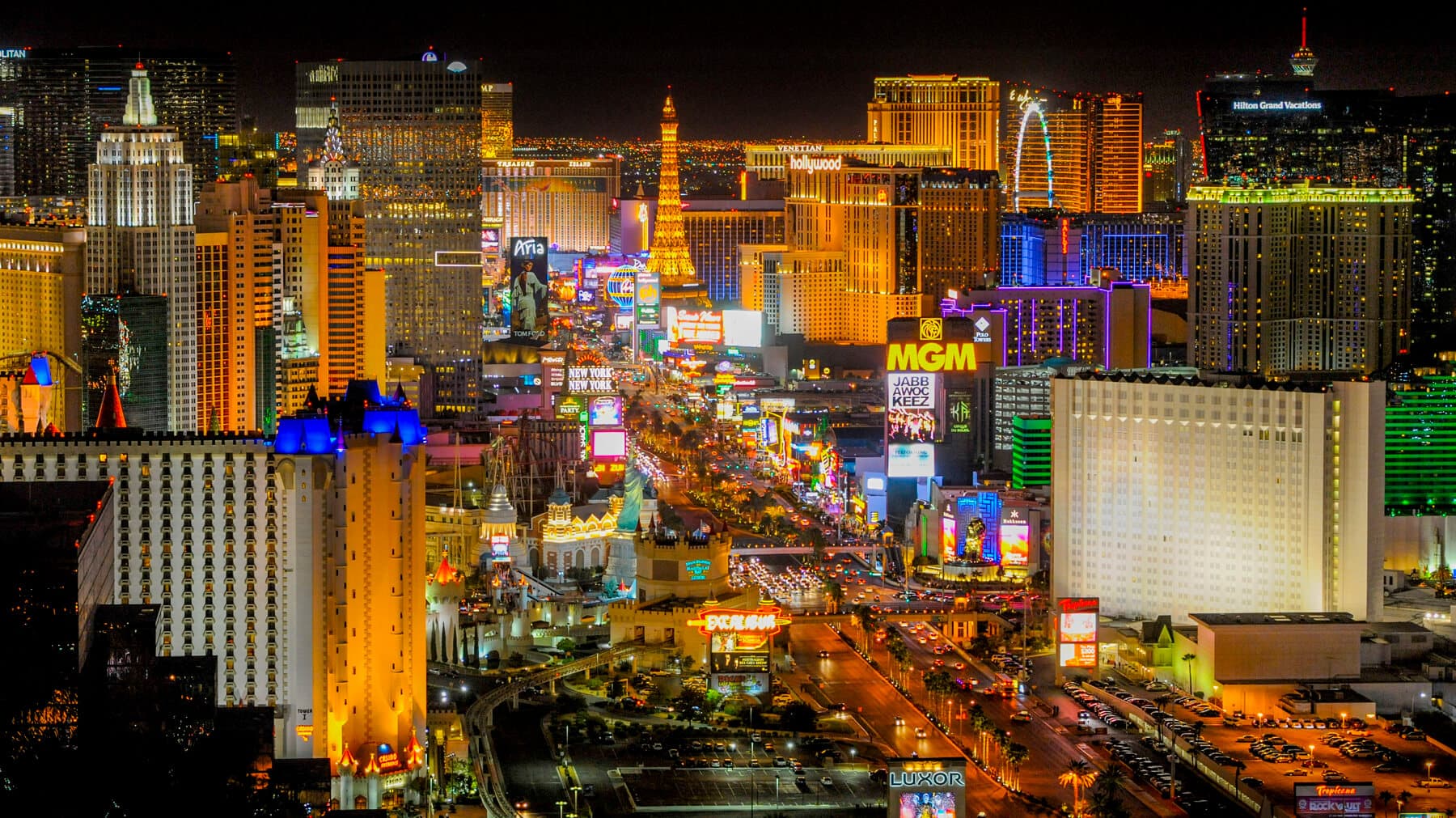
The Strip is 4.2 miles long. "Walkable" blocks aren't city-block-sized — they're resort-sized. A Mandalay Bay to Wynn walk looks short on a map and takes 75 minutes on foot.
Realistic walking times between Strip destinations:
For walking: comfortable closed-toe shoes, water bottle, and pedestrian-bridge routes where available. Avoid crossing Las Vegas Boulevard at ground level — always use the bridges.
Las Vegas Monorail
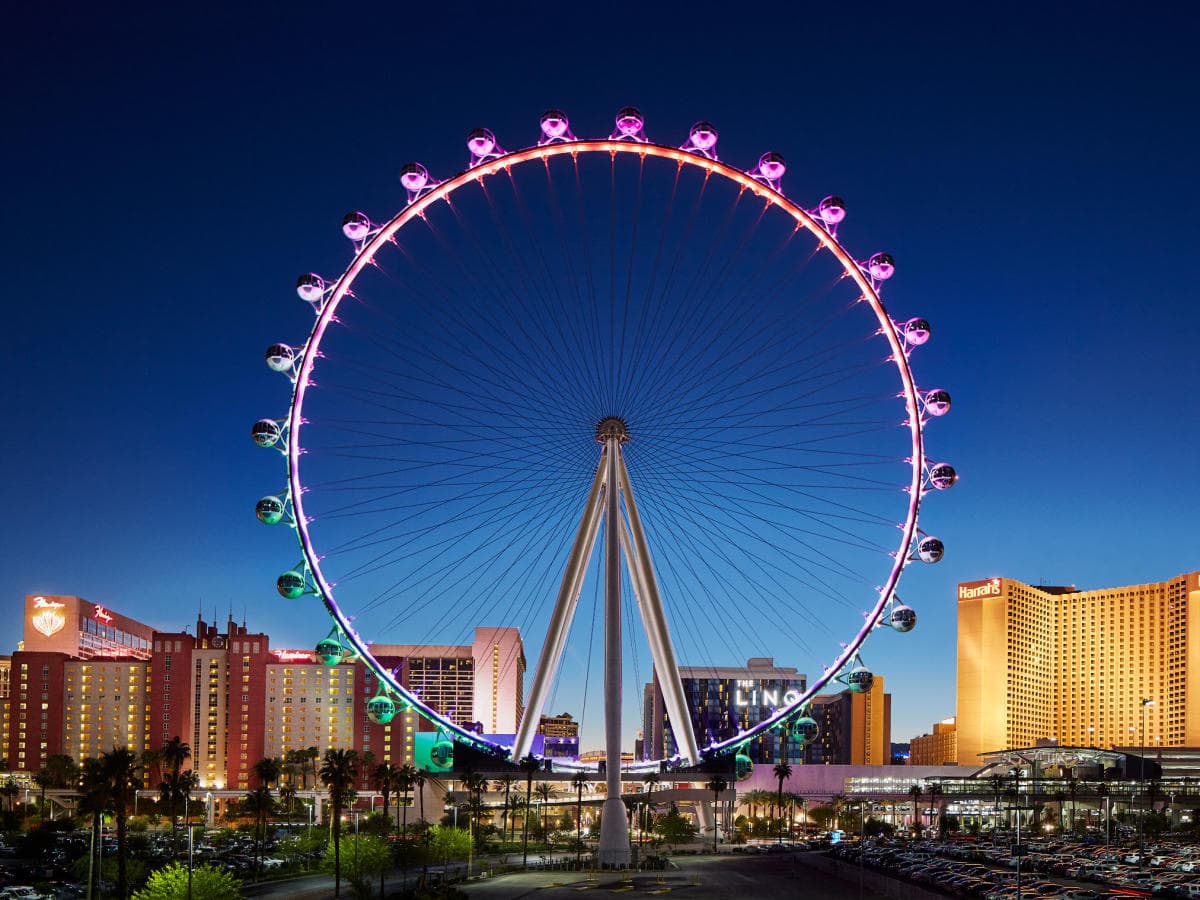
The Las Vegas Monorail runs on the east side of the Strip from SAHARA to MGM Grand with stops at Westgate (LVCC), Harrah's/Linq, Flamingo/Caesars, and Bally's/Paris (Horseshoe now). Single ride: $5.50. Day pass: $15. Multi-day passes offer better per-day value.
Coverage: east side only. It doesn't serve Bellagio, Venetian, Wynn, Cosmopolitan, Aria, Mandalay Bay, or the airport. Those are the blind spots.
Useful for: LVCC convention goers, travelers staying at MGM Grand or Flamingo area, and anyone doing a central-Strip east-side night out.
Not useful for: airport-to-hotel (no direct link), anything Bellagio/Aria/Mandalay Bay side of the Strip.
RTC Deuce Bus
The RTC Deuce is a 24-hour double-decker bus running the length of Las Vegas Boulevard from south of Mandalay Bay to Downtown (Fremont Street). Single ride: $4. 24-hour pass: $8. 3-day pass: $20.
Coverage: the entire Strip corridor plus direct Fremont Street Experience access. Stops at every major resort.
Frequency: every 15-20 minutes peak, 30 minutes overnight.
Useful for: Downtown trips from the Strip, budget-first travelers, late-night Fremont Street runs.
Downsides: slower than rideshare in traffic, stops are numerous, can be crowded at peak hours.
Rideshare (Uber/Lyft)
Dominant option for most Strip travel. Typical costs:
Strip traffic realities: 5-7 PM and 10 PM-midnight on weekend nights add 20-40 minutes to a 1-mile rideshare. Use pedestrian bridges to walk the central core instead.
Surge pricing: 2-4x during Friday/Saturday 11 PM-2 AM and during F1, EDC, CES weekends. Pre-scheduled rideshares don't avoid surge; they lock the current rate at booking.
When to Rent a Car
Renting a car makes sense for:
Rental car economics: a mid-tier rental from the airport runs $40-$80/day plus fees and taxes (Nevada rental-car tax is high). If you need the car for a full 7-day trip, a compact is about $400 all-in. If you need it for 1-2 specific day-trip days, rent it on those days only and taxi or rideshare the rest.
Parking Costs
Most Strip resorts charge $18-$25/day for self-parking and $25-$40/day for valet. Parking fees are separate from resort fees.
Free parking (in 2026):
Off-site parking (CityCenter garage, Fashion Show Mall, Harry Reid airport long-term): $10-$20/day, walkable to the Strip, often cheaper than resort parking.
For a Strip-focused trip, don't rent a car. For a trip that includes day trips and off-Strip dining, rent for the day(s) you need it. Don't rent for the full week unless you're actually using it daily.